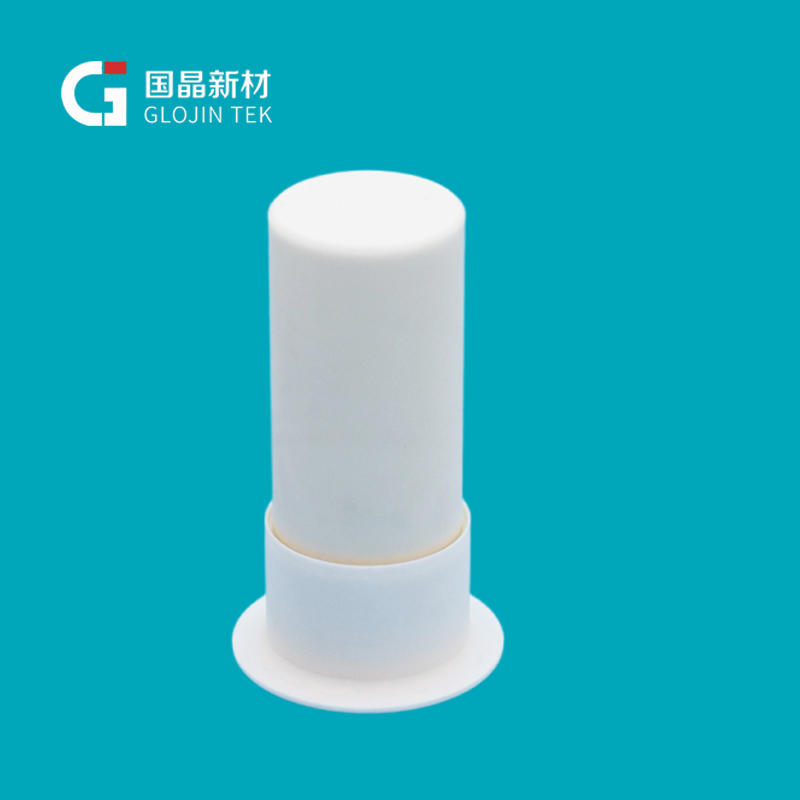
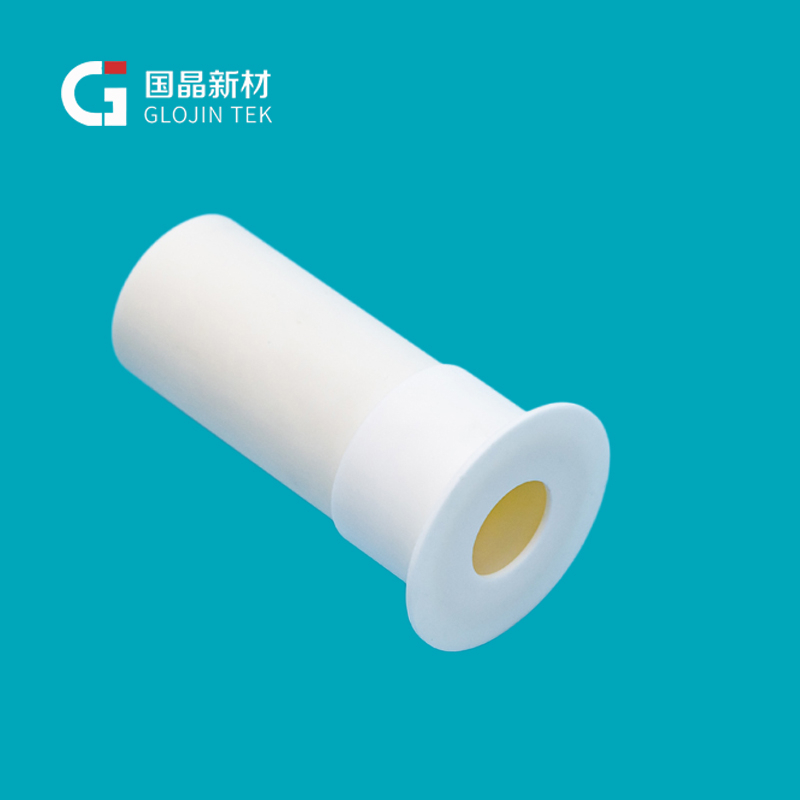
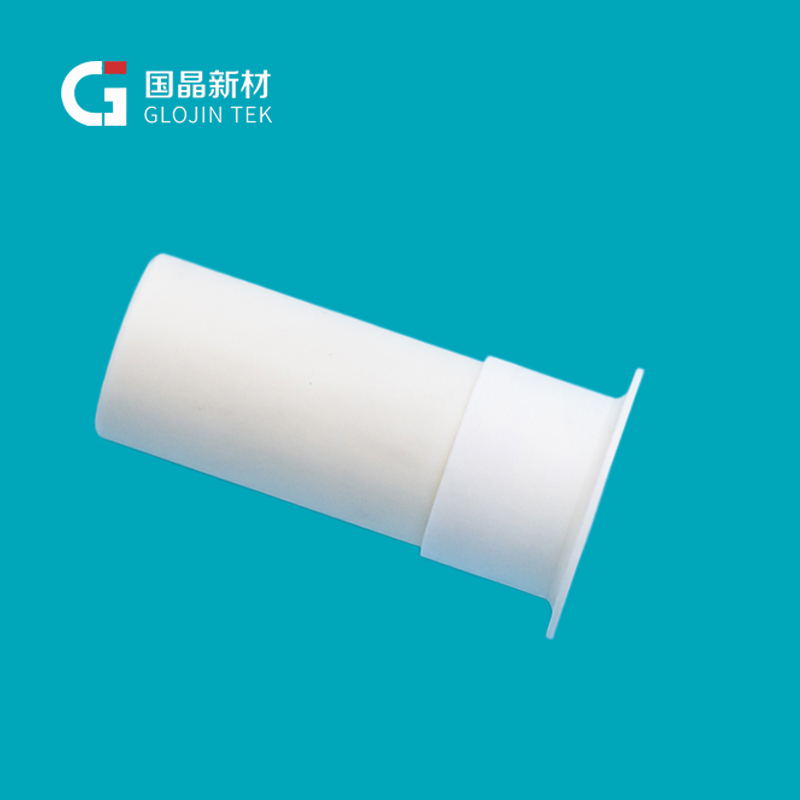
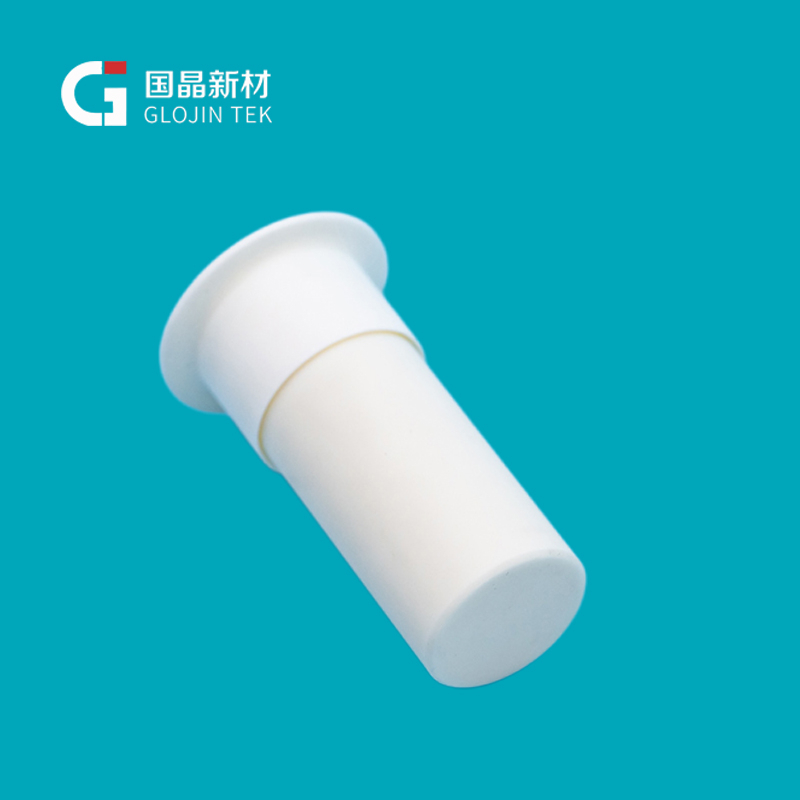
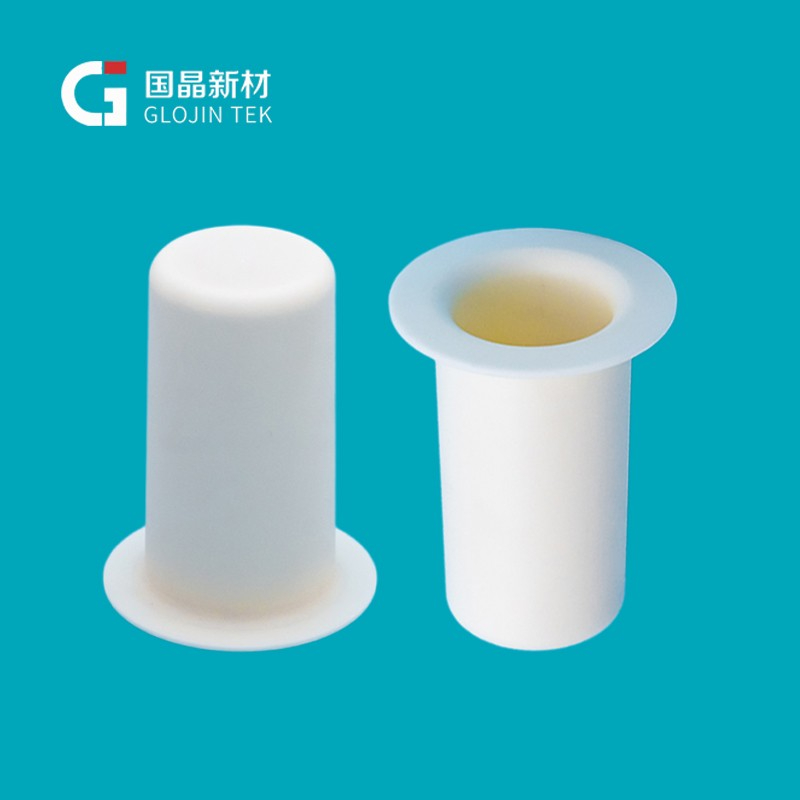
Alumina Ceramic Crucible: A high-temperature resistant container made from high-purity alumina powder through a hot-pressing process. It features excellent high-temperature resistance, strong chemical stability, and good structural strength. With low impurity content and a low thermal expansion coefficient, it is suitable for a wide range of high-temperature processes, offering both durability and low contamination performance.
Semiconductor Powder / Precursor Material Sintering Containers: Used for high-temperature calcination and sintering of high-purity ceramic powders (such as AlN, SiC) and metal oxide precursors. High-purity alumina crucibles have extremely low impurity levels, preventing contamination of powders, and can withstand sintering temperatures up to 1600°C.
Laboratory-Scale Semiconductor Process Testing: Applied in thermogravimetric analysis (TGA), differential thermal analysis (DTA), muffle furnaces, and similar equipment for high-temperature testing and treatment of wafer materials, photoresist ashing, and metal pastes. Strong chemical inertness ensures no reaction with most semiconductor materials.
Low-Melting-Point Semiconductor Metal Melting: Suitable for melting low-melting-point metals such as aluminum (Al), gallium (Ga), and indium (In), used in semiconductor bonding wires and solder materials.
Auxiliary Components for Epitaxy / Deposition Processes: Used as small carriers or substrate support fixtures in MOCVD and PECVD equipment for low-temperature auxiliary processes in non-corrosive atmospheres, serving as a cost-effective alternative to quartz or boron nitride components.