In the field of InP single-crystal growth, Vertical Gradient Freeze (VGF) and Liquid Encapsulated Czochralski (LEC) are the two dominant crystal growth technologies. Across both processes, Pyrolytic Boron Nitride (PBN) crucibles have become indispensable hot-zone components. Their widespread adoption stems not only from the exceptional intrinsic properties of PBN, but also from its ability to meet the stringent requirements of InP crystal growth for ultra-high purity, outstanding chemical inertness, and superior thermal field stability.
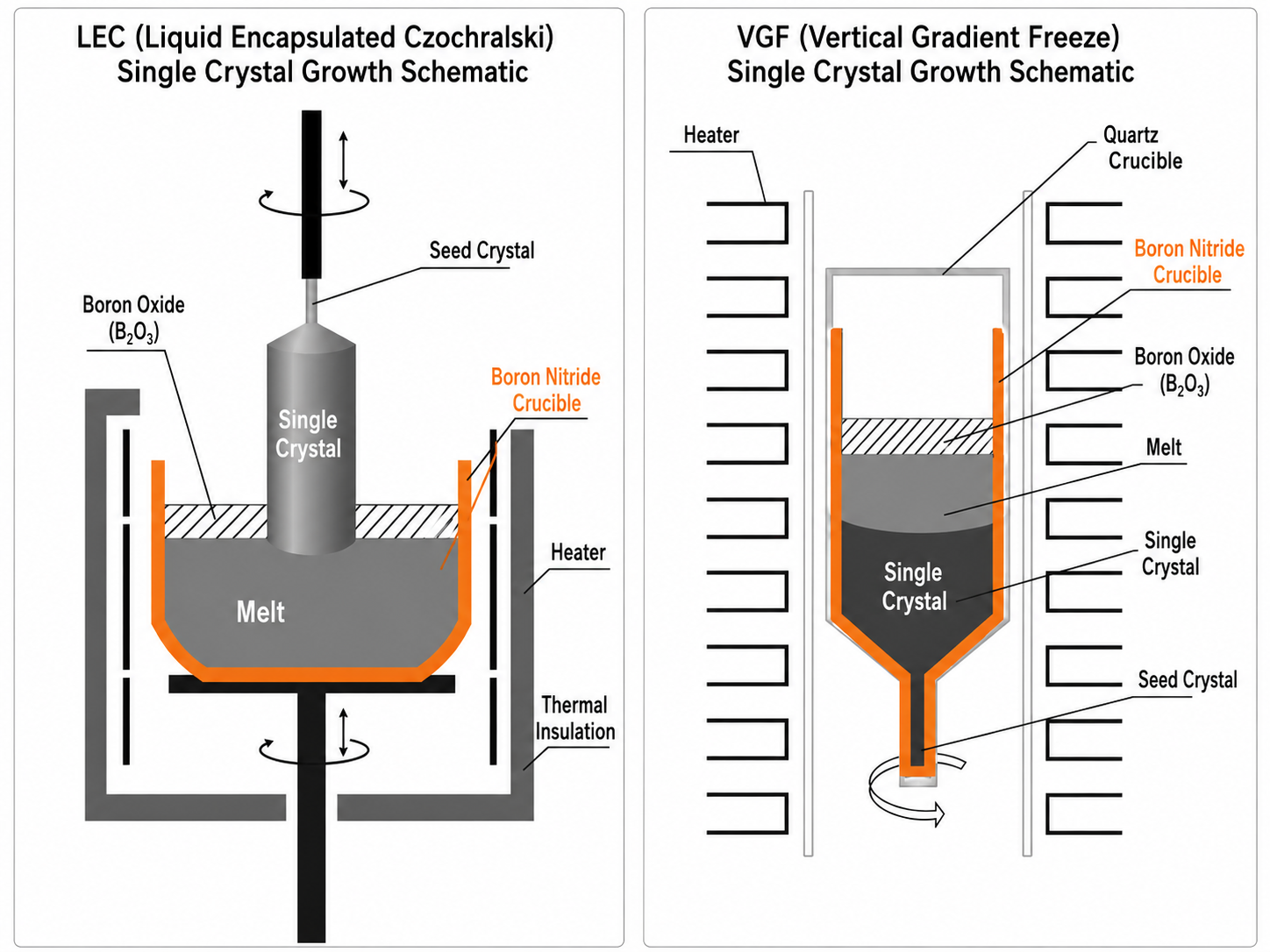
Why, then, does InP crystal growth place such demanding requirements on crucible materials? And how do PBN crucibles contribute throughout the crystal growth process? The answer begins with understanding the fundamentals of InP crystal growth.
Indium Phosphide (InP) is one of the most important III–V compound semiconductors. Owing to its high electron mobility and direct bandgap, it is extensively used in high-speed optical communications, photonic integrated circuits (PICs), high-performance laser diodes, and photodetectors. With the rapid expansion of 800G and 1.6T optical modules, together with the growing demand for AI computing infrastructure, the need for high-quality InP single crystals continues to rise, placing increasingly stringent demands on crystal quality, uniformity, and process consistency.
Compared with silicon, the growth of InP single crystals is considerably more challenging, requiring far more precise control of the thermal field, pressure conditions, and material purity. At elevated temperatures, phosphorus exhibits a high vapor pressure and readily volatilizes, making accurate regulation of temperature, pressure, and the growth environment essential to maintaining a stable melt composition. At the same time, InP is highly sensitive to impurity contamination and thermal stress; even minor fluctuations can compromise crystal quality, ultimately affecting subsequent epitaxial growth and device performance.
For this reason, the stability of the thermal field is fundamental to producing high-quality InP crystals. As the critical hot-zone component in direct contact with the molten material, the crucible plays a decisive role in maintaining a stable growth environment, with its material properties exerting a direct influence on both process stability and the quality of the finished crystal.
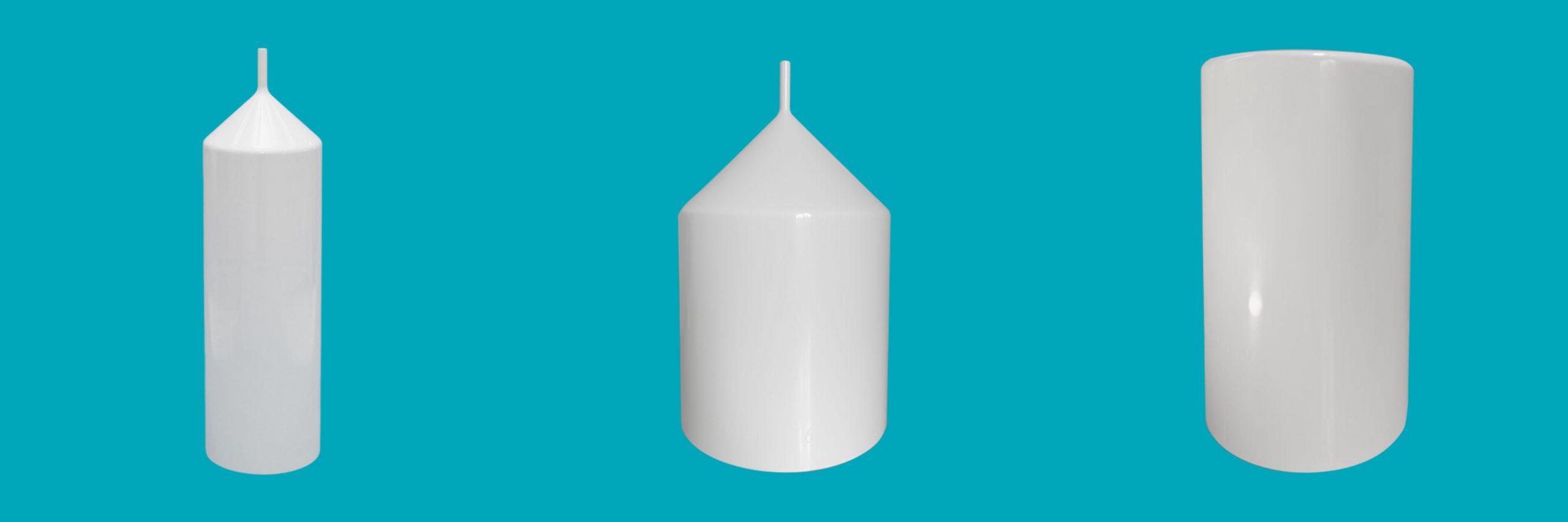
Why Have PBN Crucibles Become the Industry Standard?
During InP crystal growth, the crucible is the critical hot-zone component that comes into direct contact with the molten material and must operate reliably under prolonged high-temperature conditions. Any impurity release, chemical interaction between the crucible and the melt, or thermal deformation of the crucible can disrupt the stability of the growth environment, ultimately compromising crystal quality and process consistency.
Consequently, an ideal crucible material must offer far more than excellent high-temperature resistance. It must also combine ultra-high purity, exceptional chemical inertness, outstanding dimensional stability at elevated temperatures, and extremely low outgassing to ensure a stable and contamination-free crystal growth environment.
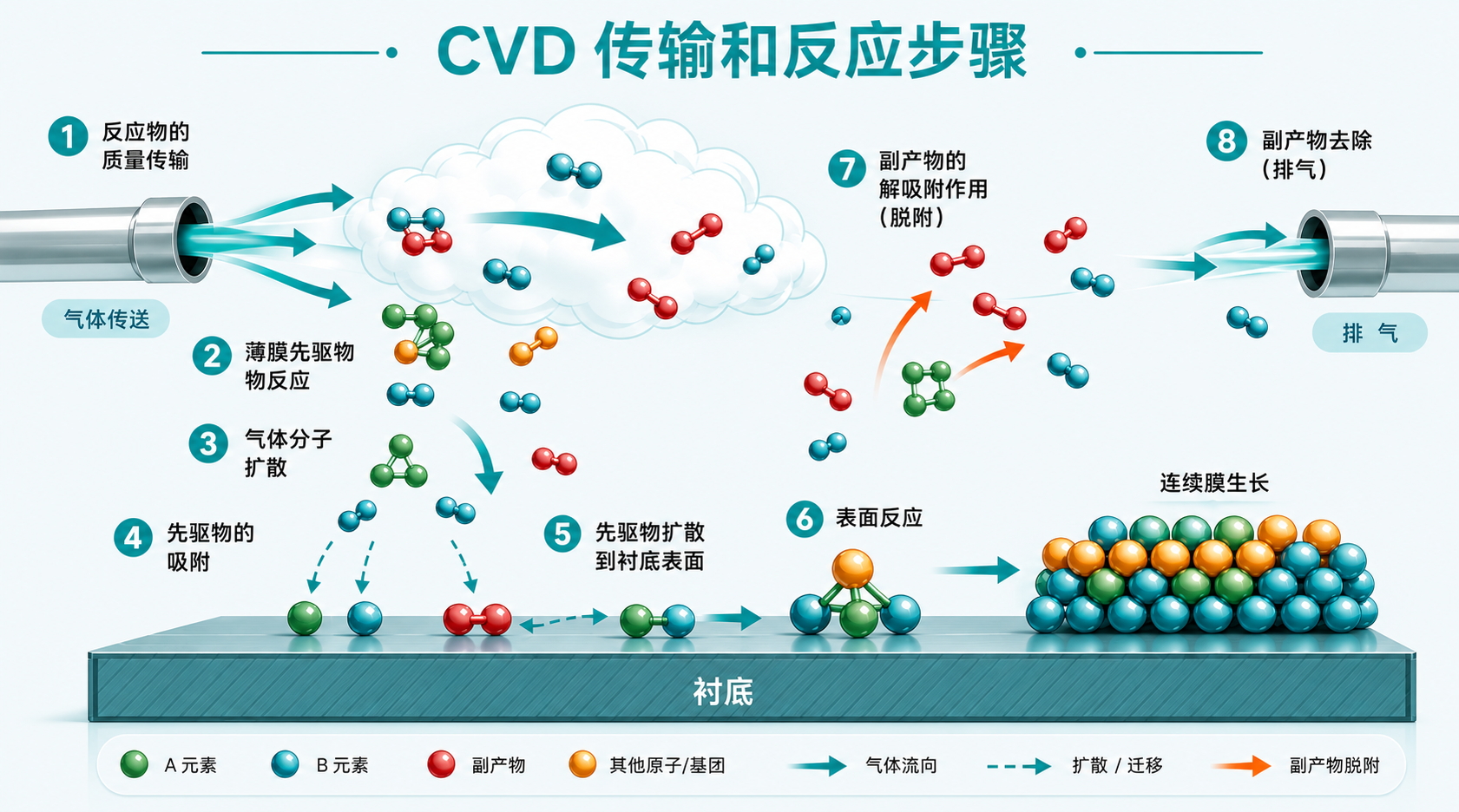
Pyrolytic Boron Nitride (PBN), produced by the Chemical Vapor Deposition (CVD) process, has become the material of choice for hot-zone components in III–V compound semiconductor crystal growth precisely because it excels in all of these critical performance characteristics.
Ultra-High Purity Minimizes the Risk of Contamination
Manufactured by the Chemical Vapor Deposition (CVD) process, PBN contains no sintering aids or binders, resulting in exceptionally high material purity. This effectively minimizes the introduction of foreign contaminants and provides a cleaner, more controlled environment for InP crystal growth.
Exceptional Chemical Inertness Preserves Melt Stability
PBN exhibits outstanding chemical inertness and remains highly stable in contact with molten InP at elevated temperatures. By preventing undesirable chemical reactions, it helps maintain a stable melt composition and minimizes process disturbances that could otherwise compromise crystal growth.
Outstanding High-Temperature Dimensional Stability Ensures a Stable Thermal Field
Crystal growth processes such as VGF and LEC typically operate continuously at high temperatures for dozens of hours or even longer. PBN maintains excellent dimensional stability under these demanding conditions, effectively reducing thermal-field fluctuations caused by deformation and providing a reliable foundation for stable crystal growth.
Low Outgassing Supports an Ultra-Clean Growth Environment
Outgassing from hot-zone materials can degrade furnace cleanliness during high-temperature crystal growth. Thanks to its exceptionally low outgassing characteristics, PBN helps maintain the ultra-clean environment required for high-purity crystal production, creating optimal conditions for consistent crystal growth.
For InP crystal growth, the value of a PBN crucible does not lie in any single material property. Rather, it stems from its exceptional balance of ultra-high purity, chemical inertness, high-temperature stability, and low outgassing. Together, these characteristics satisfy the rigorous demands placed on hot-zone materials, making PBN crucibles the preferred choice throughout the industry.
As InP crystals continue to evolve toward larger diameters and higher quality standards, the performance requirements for hot-zone components are becoming increasingly stringent. In addition to PBN crucibles, PBN plates, PBN rings, and PBN/PG composite heaters play equally important roles in constructing a stable thermal field, providing an optimized process environment that supports the consistent growth of high-quality InP single crystals.
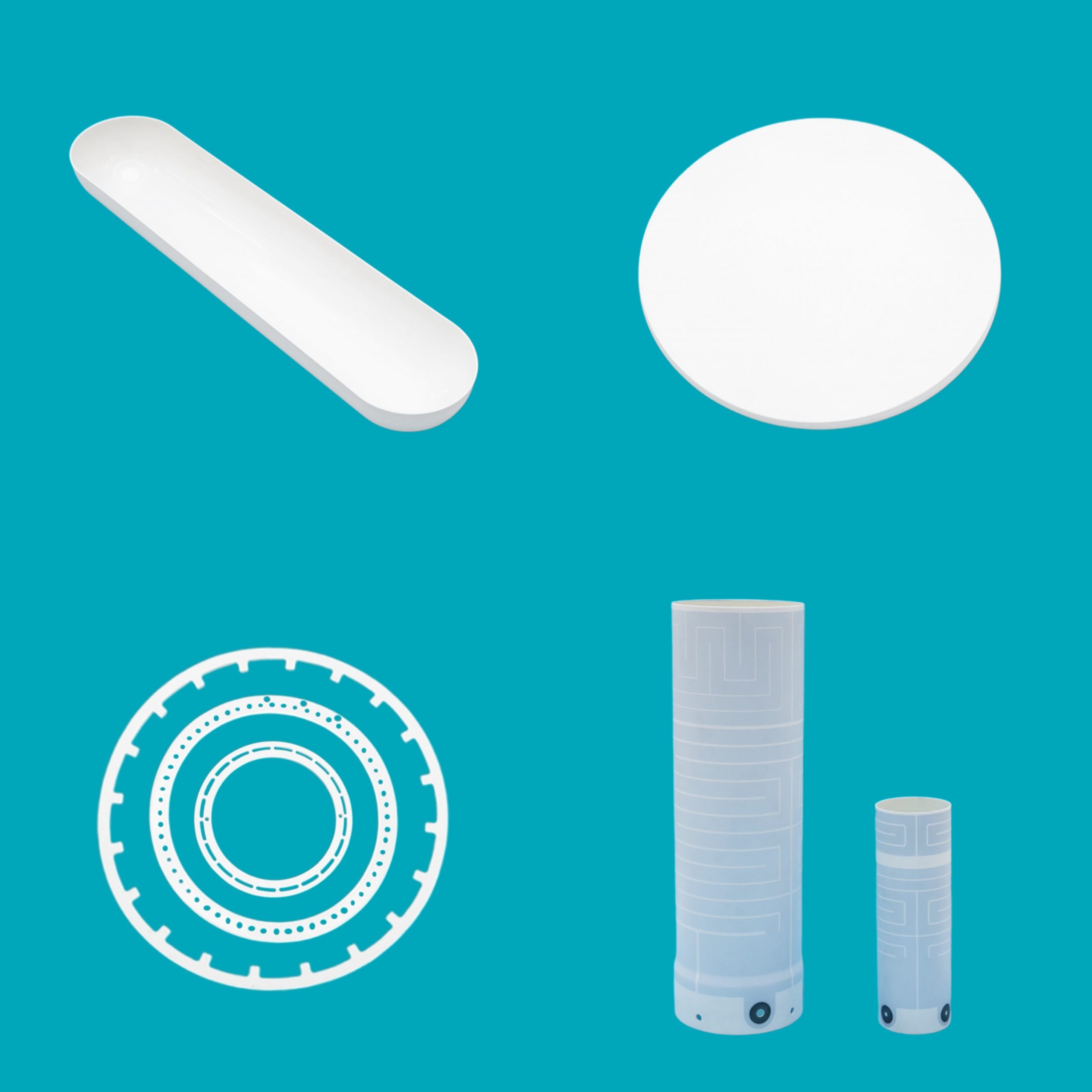
The production of high-quality InP single crystals is the result of the coordinated interaction between advanced materials, optimized growth processes, precision equipment, and a carefully engineered thermal field. As the critical hot-zone component in direct contact with the molten material, the PBN crucible serves not only as the melt container but also as a key enabler of stable crystal growth by providing an ultra-clean, chemically inert, and thermally stable growth environment.
Looking ahead, as high-speed optical communications, photonic integration, and artificial intelligence continue to drive technological advancement, the demand for superior InP crystal quality and process consistency will only become more stringent. Consequently, PBN crucibles will remain an indispensable hot-zone component, continuing to play a vital role in the growth of III–V compound semiconductor crystals.